
🏋️♂️ Control and Consumption. Maintenance and Cost.
The gym is just another procedure. If you don’t maintain the machine, it fails when you need it most
I was back in the gym at the dead zone hour. This isn’t therapy; it’s just the only place where the body’s pressure equals the mind’s. I need to get the noise out, but you know the drill: the noise doesn’t leave until you force it out.
I threw a stupid amount of weight on the bar—more than I should handle on this little sleep. I needed the weight to press the trauma out. I needed to feel the failure in my quads so I could ignore the feeling of failure from the shift.
The guy by the free weights—the same one. Big guy, military cut, total focus. I watched him work his shoulders; every muscle in his back pulled tight under his shirt as he shifted the weight. That controlled movement is what gets me. Efficient, no wasted energy. That’s the kind of precision I’m training for on the trauma track, just applied to a different kind of lift.
I caught myself watching his breath. Deep, slow, total commitment. My own breathing hitched—not from my lift’s strain, but from the sudden, sharp proximity of his concentration. I kept looking at his neck, the line of his spine defined under the wet fabric, tracking the movement. The anonymous ache is sometimes the deepest. I want that level of control, but I want to break it, too. I want to know what that efficiency feels like under my hands.
The light was low, just the hum of the ceiling fan and the occasional clank of plates. My focus fractured. I saw his forearm—thick, veined, locked tight—and my mind went sideways. I thought about those hands being on me, not spotting the bar, but pressing me down, hard, until I had no choice but to surrender. I saw the shadow of his chest under the knit fabric, damp with sweat, and imagined the sound of my own breath breaking against his collarbone.

Just the thought of that musky heat on my skin, the weight of him overriding my control, made my entire body tighten. I felt the pure, desperate urge to drop the weight, walk over, and just lean into him, let the exhaustion and the need blur into one total, reckless act. Exhaustion is the prelude to surrender. I just needed to feel something that wasn’t clinical.
I added another set. Stop it. Control. I needed the burn to linger, to remind me that this body is still mine, still capable of heat. I walked past him to get a towel, close enough that the scent of his sweat, that sharp, musky heat, hit me. He didn’t look up. He didn’t need to. I saw the tremor in my own hands after I racked the weight.
I tell myself the burn is just physics. But standing here in the cold, honest dark, I know the burn is just the energy that has nowhere else to go. I forced my mind back to the checklists. The only way to win is to make the body obey.
💡 The Takeaway: Maintenance and Cost (My Routines)
Look, I probably shouldn’t share my routine with you. It feels too structured, too clinical, after everything I just told you. But the truth is that the gym is just another routine. However, if you don’t take care of the machine, it breaks down when you need it most. These aren’t just tips for fitness; they’re protocols for survival. At least for me, they are. They keep me from losing my mind, or worse, losing focus.
Here’s the checklist of what I make myself do, broken down by function:
1. The Adrenaline Burn-Off (Post-Code Routine)
Goal: Physically redistribute the nervous energy and adrenaline that cause insomnia.
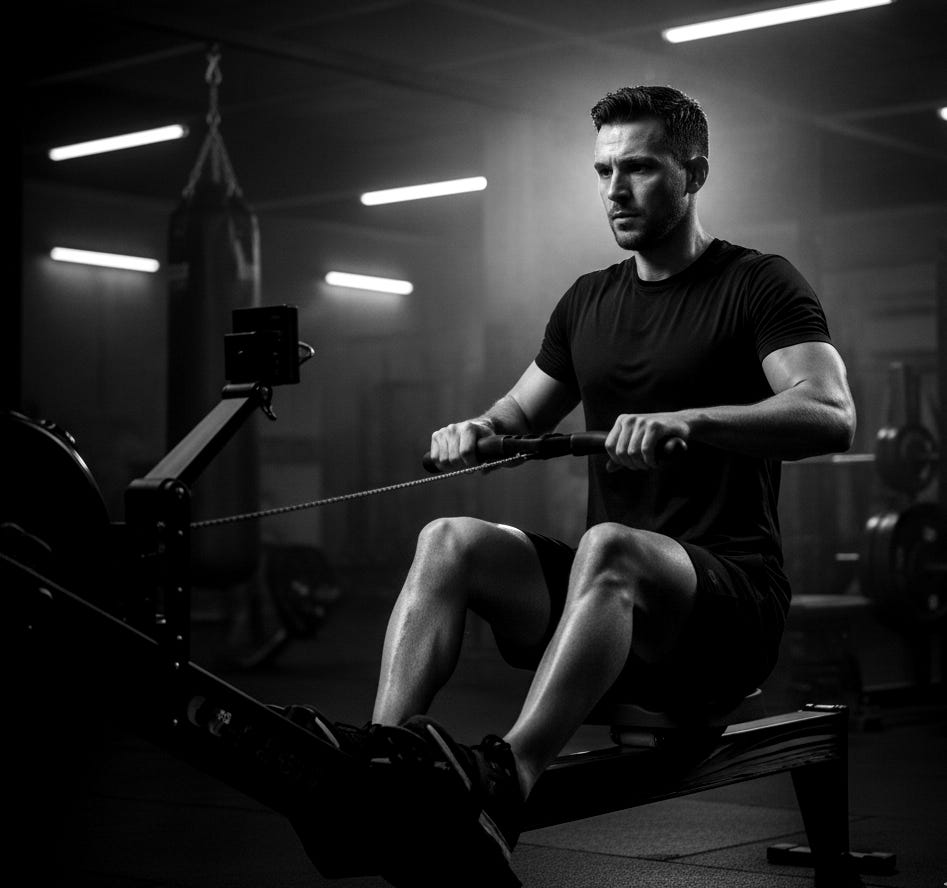
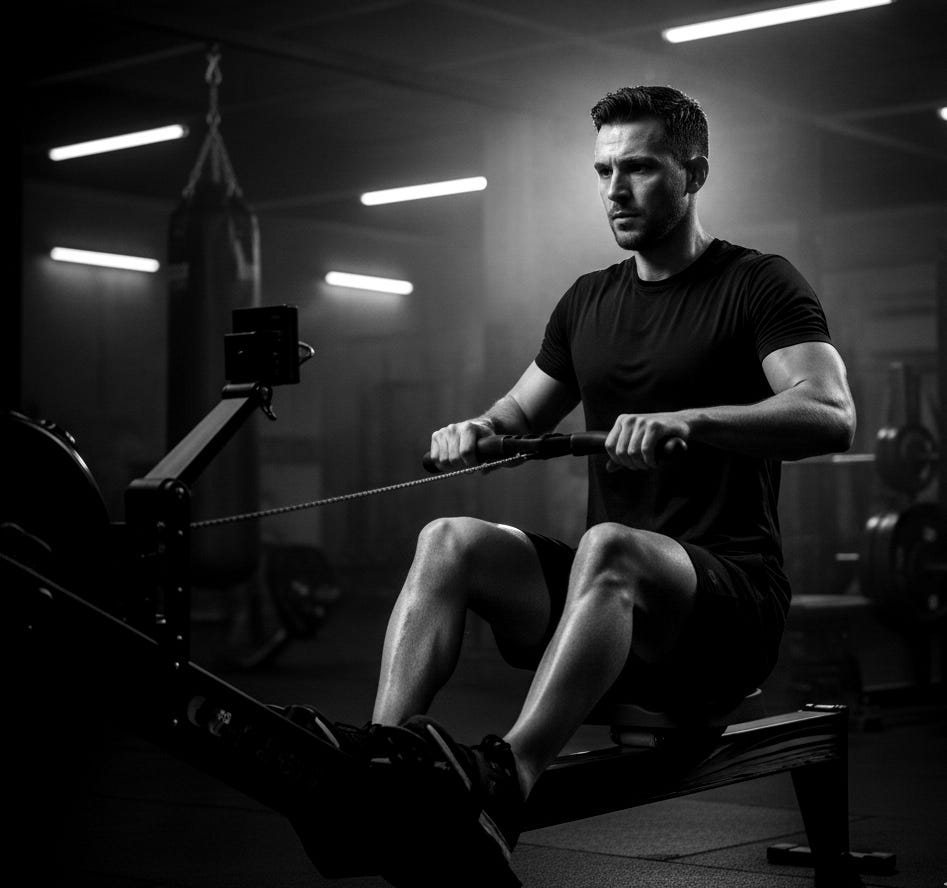
Routine: Rowing Machine (30 Minutes). Max resistance, medium pace. Focus on the rhythmic, heavy movement until the heart rate settles from the code high to a controlled gym high. The sound of the water-based rower is a forced silence.
Tip: Never miss a workout because of fatigue; miss it because you’re actually sick. Discipline is the anchor.
2. The Trauma Track Core (Compound Lifts)
Goal: Build dense, functional strength for lifting, standing, and sudden exertion during trauma intake.
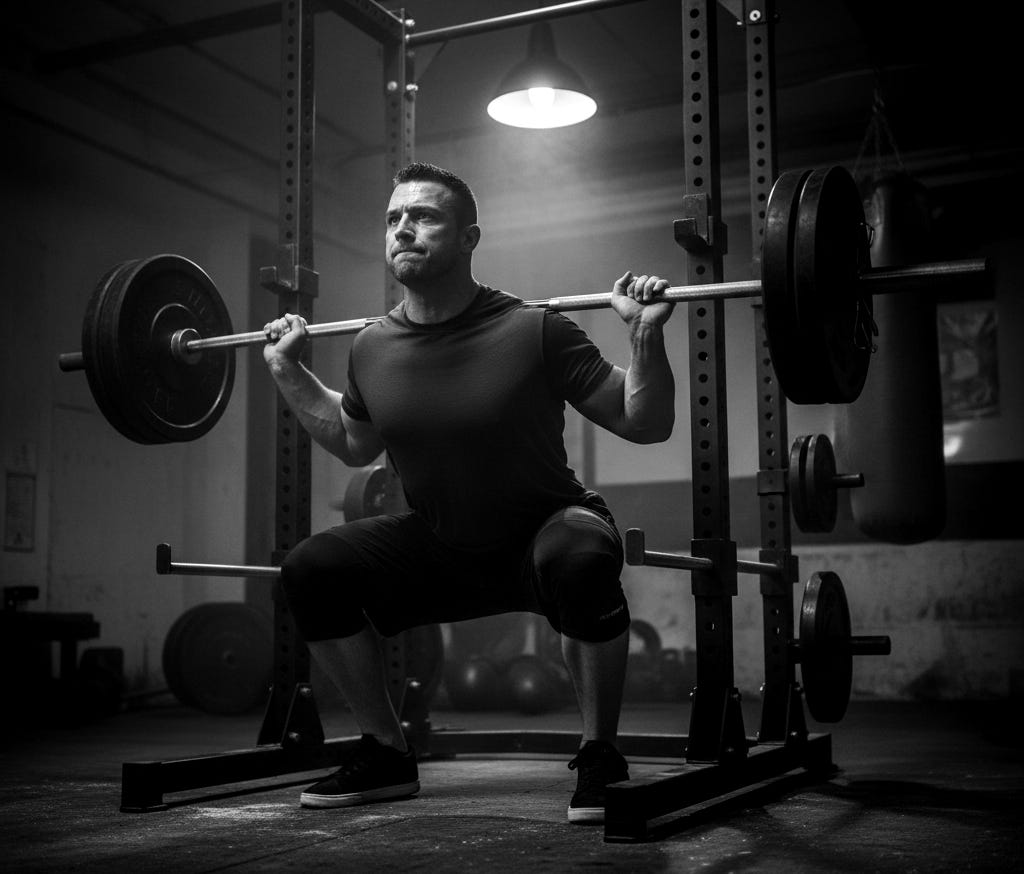
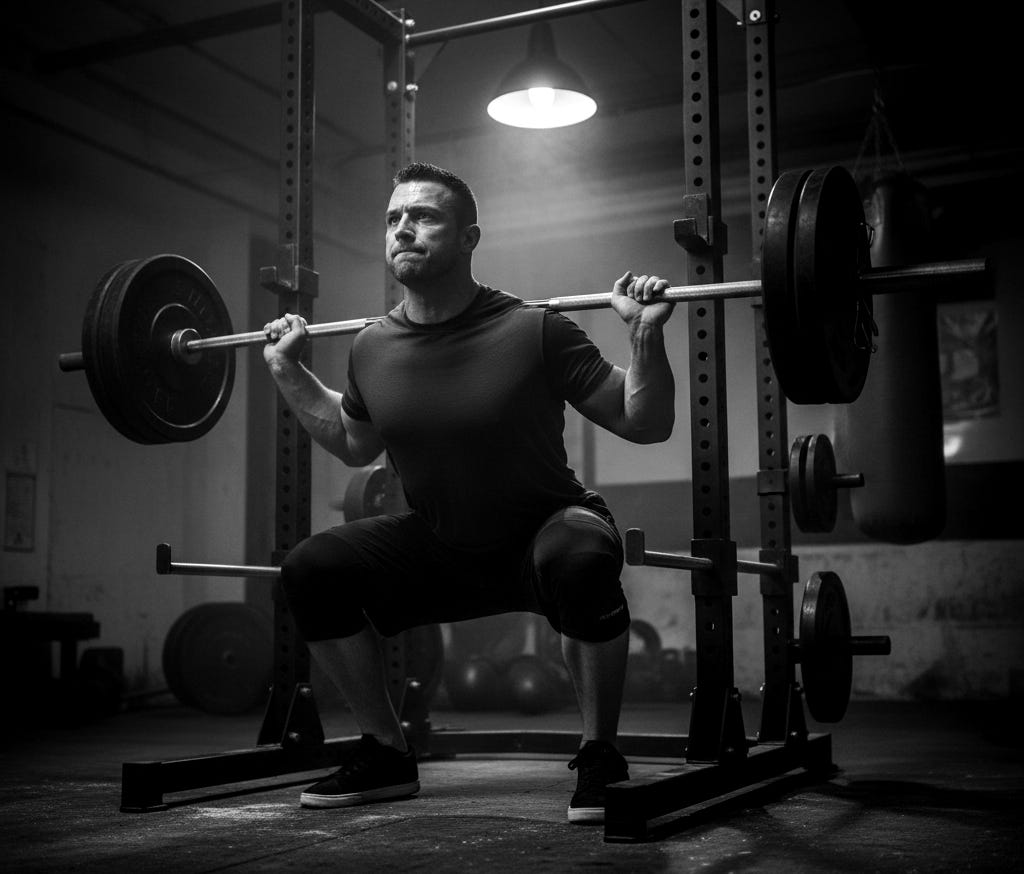
Routine: Deadlifts and Squats. Heavy weight, low reps (5x5). Focus on precision and economy of movement. Deadlifts target the entire posterior chain—the core, back, and hamstrings that absorb the shock of standing for 16 hours on tile.
Tip: The Body is Data. Use compression sleeves on your legs under your scrubs. It’s for maintenance, not performance. Unsexy, necessary.
3. The Functional Fix (Unwinding the Shift)
Goal: Address the specific muscular tension caused by ER work (shoulder knots, hip tightness from standing/sitting in awkward positions).
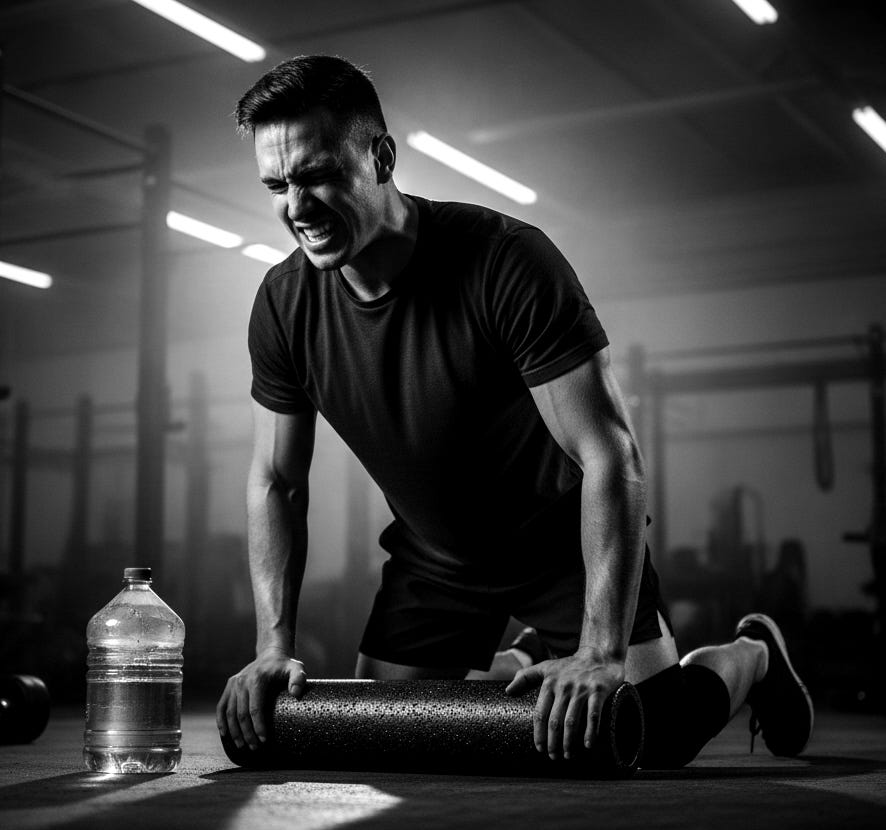
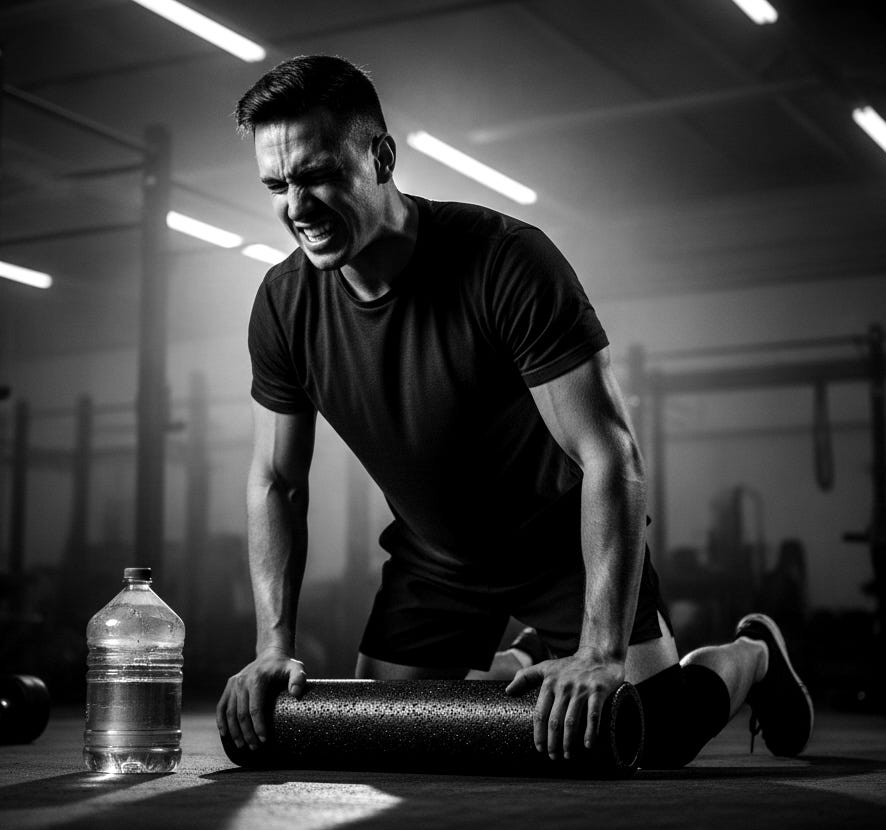
Routine: Deep Foam Rolling (10 minutes) and Mobility Drills. Focus intensely on the low back, shoulders, and hips. Find the knots and push until your eyes water. The sharp, focused pain is clarifying. Finish with breathing exercises—in for 4, out for 6—to anchor the pulse before heading home.
Tip: Hydration is a form of control. Carry a jug of water; you can’t afford the headaches that come with dehydration and fatigue.
This is just the surface of what it takes. We’re in the deep end now, you and me. I’ll tell you more later—I promise. The confession is always less painful than the restraint.
Hi